
Boxing History
The History of Boxing: From Ancient Combat to Modern Sport
Explore the history of boxing, from ancient Greek contests and bare-knuckle fighting to modern professional boxing and today's technical champions.
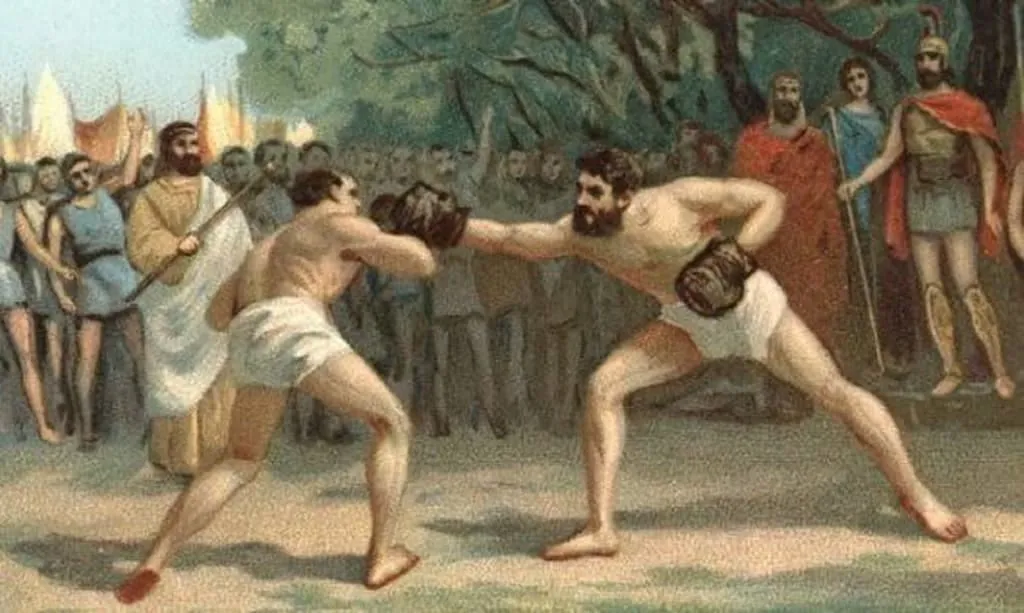
Boxing has roots in ancient fist-fighting contests, but the modern sport took shape through British prizefighting and the development of written rules. The introduction of the Queensberry Rules in the 19th century helped establish the gloved, timed-round format associated with boxing today.
Its history is about more than changing equipment. Rules, media, training methods, and the fighters themselves have shaped how the sport is practiced and understood.
This overview follows five major stages, from ancient Greek contests to modern professional boxing. It is a starting point rather than a complete history of every boxing tradition.
1. Ancient Boxing: From Early Combat to Ancient Greece
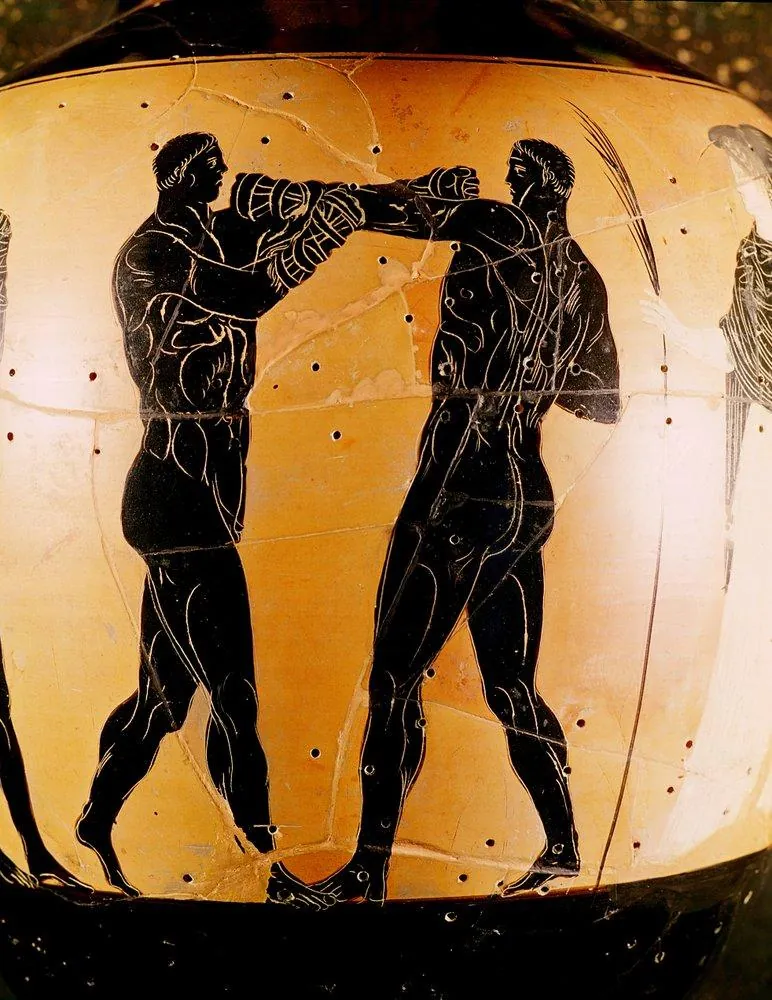
The origins of boxing can be traced back thousands of years. Ancient Egyptian and Mesopotamian artworks contain depictions of fist fighting, suggesting that hand-to-hand combat was practiced long before boxing became an organized sport.
Ancient Greece played a particularly important role in the development of competitive boxing. Boxing was introduced into the ancient Olympic Games in 688 BCE, becoming one of the recognized athletic events of the time.
Unlike modern boxing, ancient Greek boxing had few of the protective measures and standardized rules we know today. Fighters wrapped their hands with leather thongs, and contests could be physically brutal. There were no modern weight divisions or timed rounds.
Without timed rounds or modern weight divisions, endurance and physical resilience were important. This does not mean ancient boxing lacked skill or tactics.
Although ancient boxing was very different from the sport practiced today, it established an important foundation: two opponents competing through striking skills, physical conditioning, and determination.
2. Bare-Knuckle Boxing: The Rise of Prizefighting in Britain
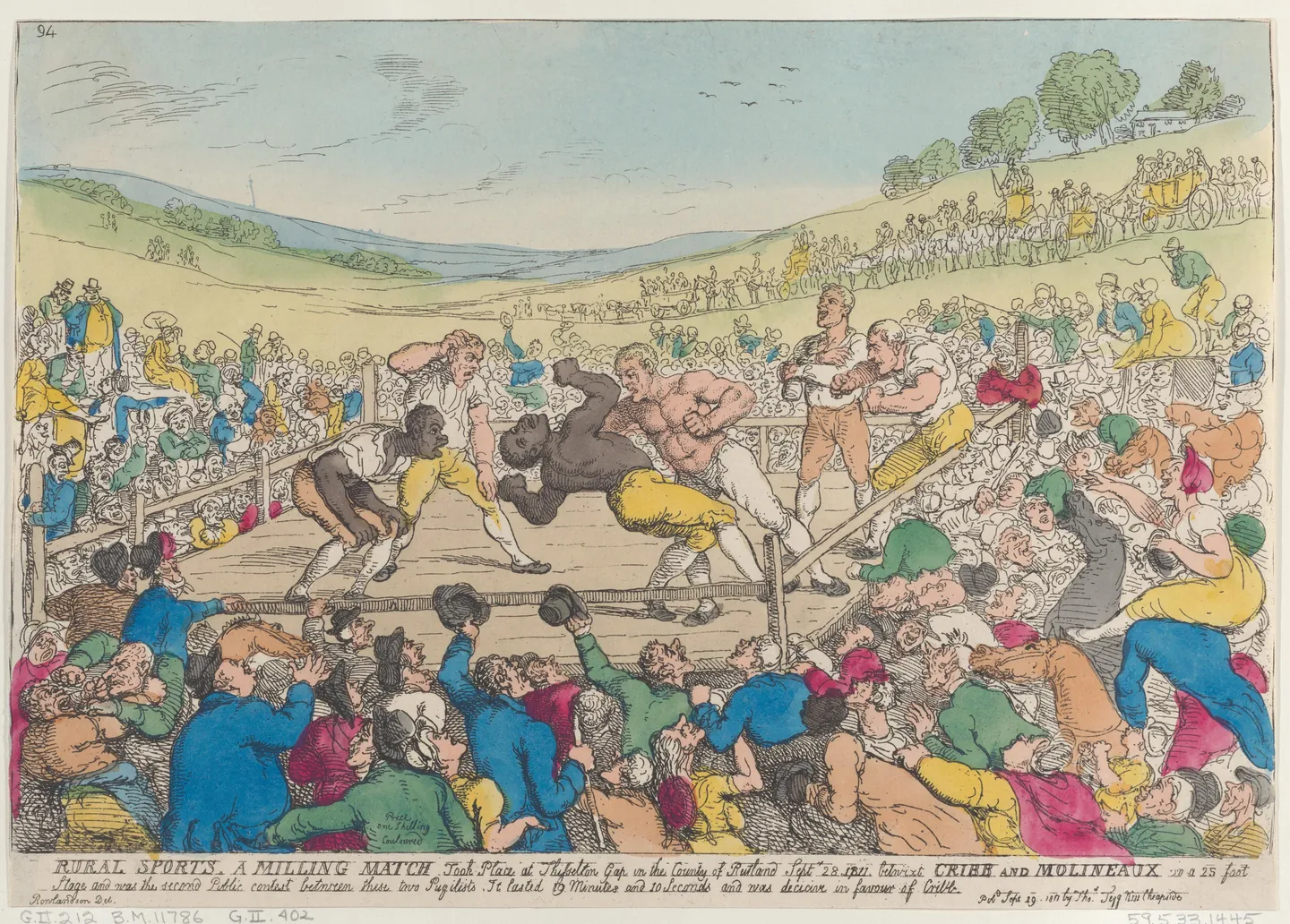
During the 17th and 18th centuries, organized prizefighting became increasingly popular in Britain. These contests helped lay the foundations of modern professional boxing.
Early prizefights were generally fought without padded gloves. The rules were less standardized than those used today, and matches could involve prolonged exchanges that placed considerable physical demands on the fighters.
One important figure in this period was Jack Broughton, an English prizefighter who introduced an early set of boxing rules in 1743.
Known as Broughton’s Rules, these regulations included provisions for handling knockdowns and helped establish clearer expectations for fighters during a contest.
This was an important step toward making boxing a more organized sport rather than an informal physical confrontation.
However, bare-knuckle boxing remained dangerous, and its rules differed significantly from modern professional boxing. The sport would require further reforms before it developed into a standardized international competition.
3. The Birth of Modern Boxing Rules: The 19th Century
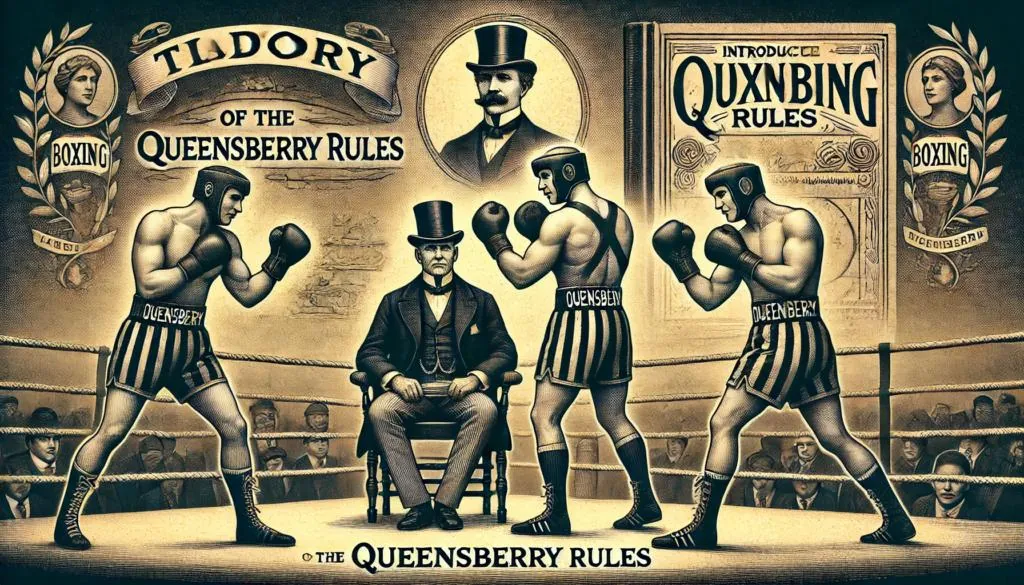
The 19th century marked a turning point in boxing history. As the sport grew in popularity, the need for clearer rules, greater consistency, and more structured competition became increasingly apparent.
A major milestone came in 1867, when the Marquess of Queensberry Rules were published.
These rules helped establish several features associated with modern boxing, including padded gloves and three-minute rounds. They also specified a ten-second opportunity for a fallen boxer to rise. Earlier codes had already included restrictions on striking a downed opponent.
The rules did not transform every boxing contest overnight. Bare-knuckle fighting continued for a period, and the adoption of the new framework took time. Nevertheless, the Queensberry Rules became a fundamental influence on the development of modern boxing.
The late 19th century also saw the rise of prominent professional fighters, including John L. Sullivan, who became one of the most famous boxing figures of his era.
As boxing became more organized, it developed a clearer identity as a competitive sport with recognizable rules, championship contests, and professional athletes.
4. Boxing Becomes a Mass Spectator Sport: The Early 20th Century
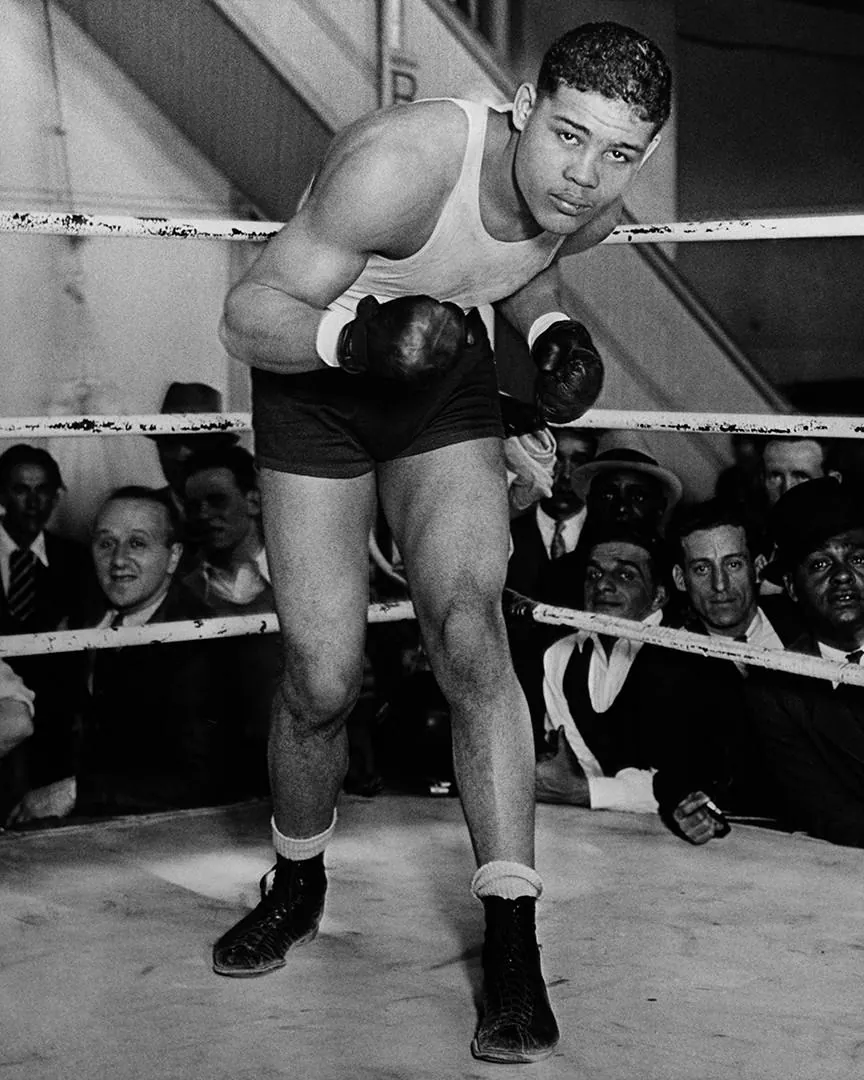
During the first half of the 20th century, professional boxing became a major international spectator sport.
Newspapers, film, and radio broadcasts helped bring championship fights to audiences far beyond the venues where they took place. Famous boxers became cultural icons, and heavyweight championship bouts attracted enormous public attention.
Several fighters left a lasting mark on boxing history.
- Jack Johnson became the first Black heavyweight champion of the world in 1908, challenging racial barriers in American society.
- Jack Dempsey became one of the defining heavyweight stars of the 1920s, known for his aggressive fighting style.
- Joe Louis dominated the heavyweight division during much of the 1930s and 1940s and became an influential sporting figure during a period of profound social and political change.
Heavyweight boxing attracted particular attention because of the division’s powerful athletes and the dramatic nature of its championship contests. However, important developments were also taking place across the lighter weight divisions.
During this period, boxing’s identity expanded beyond physical competition. Its champions became symbols of national pride, social change, and individual achievement.
The sport was becoming a global spectacle, setting the stage for the television era that followed.
5. Modern Boxing: Technology, Sports Science, and Global Competition
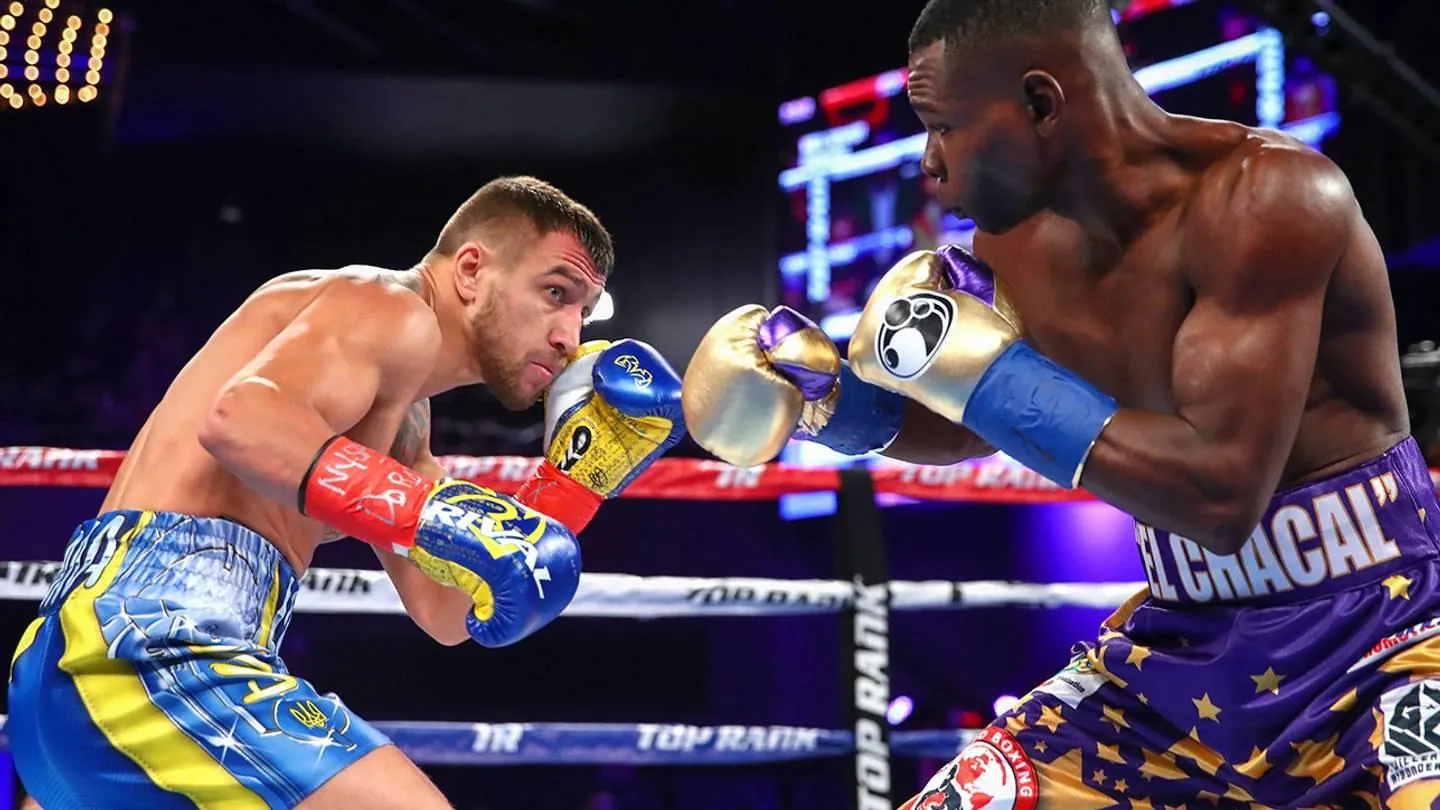
From the second half of the 20th century to the present day, boxing has continued to evolve through advances in training, competition, and sports science.
Television brought championship fights into homes around the world, while international competition helped expose audiences to different boxing traditions. Video analysis, structured strength and conditioning, nutritional planning, and specialized coaching also became increasingly important.
Modern boxing includes distinct competitive pathways, particularly professional boxing and amateur or Olympic-style boxing. Although they share fundamental techniques, their competition formats, scoring systems, and tactical demands can differ.
The sport has also produced generations of technically exceptional fighters.
Muhammad Ali demonstrated how movement, speed, timing, and psychological confidence could influence heavyweight boxing.
Sugar Ray Leonard combined fast combinations, defensive movement, and sharp counterpunching.
In the modern era, Vasyl Lomachenko has become widely recognized for his footwork, angles, and ability to create attacking opportunities through positional movement.
Terence Crawford has demonstrated the value of adaptability, counterpunching, and switching between orthodox and southpaw stances.
These fighters represent different approaches to the same fundamental challenge: landing effective punches while minimizing the opponent’s opportunities to respond.
Modern boxing is not simply about who punches harder. Distance management, defensive awareness, rhythm, balance, timing, and tactical decision-making all play essential roles.
Despite advances in training and technology, the central competitive challenge remains familiar: land effective punches, limit the opponent’s success, and win within the rules. A bout can end on points or before the final bell.
How Has Boxing Changed Over Time?
Looking across these five stages, several major developments stand out.
| Aspect | Early Boxing | Modern Boxing |
|---|---|---|
| Rules | Varied by period and location | Written rules that still vary between competition formats and governing bodies |
| Equipment | Leather hand coverings or bare fists in different periods | Padded gloves and specialized protective equipment |
| Competition | Formats and safeguards varied; ancient Greek boxing had no modern weight classes or timed rounds | Weight divisions, timed rounds, officials, and judging systems |
| Training | Coaching and physical preparation adapted to the contest and period | Technical coaching supported by conditioning, video analysis, and sports science |
| Strategy | Tactical skill existed alongside the demands of each era’s rules | Distance, timing, angles, defense, and adaptation remain central |
These comparisons describe broad historical trends rather than a simple progression. Technical boxing existed long before modern sports science, and the rules and equipment have varied across eras and organizations.
The clearest change is the development of more formal competition structures, alongside new tools for training and analysis. It would be misleading to assume that every later era was automatically more skillful than the one before it.
What Boxing History Helps Us Understand
The history of boxing is a story of transformation. From ancient Greek contests to British bare-knuckle prizefighting, from the introduction of modern rules to today’s highly technical championship bouts, the sport has continually adapted to new expectations and competitive demands.
Yet its essential principles have endured. Fighters still need balance, coordination, timing, courage, and the ability to read their opponents under pressure.
For anyone who wants to understand boxing beyond individual fights and famous champions, studying its history provides a valuable starting point. It reveals not only how the sport developed, but also why technique, strategy, and discipline remain at the heart of boxing today.
Boxing has changed enormously over the centuries, but the challenge at its core remains the same: how to use skill, intelligence, and movement to gain an advantage over an opponent.
Sources and Further Reading
- Olympic Games Paris 2024 Boxing Media Guide — history of Olympic boxing.
- Broughton’s Rules of 1743 — historical rules transcription.
- Tokyo 2020 Boxing Sport Explanatory Guide — the Queensberry rules and Olympic boxing.
- Library of Congress — Spalding’s boxing guide, including the historical Queensberry rules.
- Smithsonian National Museum of American History — Jack Johnson.